
Yoga & Trauma
Inclusive Practices

Your students carry stories that you don't always see. Your classroom can be a safe space—or it may not be.
Learn to recognize how trauma manifests in the body and gain practical tools to make your classes safer, more inclusive, and more mindful for everyone.
Online Program - At Your Own Pace - Unlimited Access
Has any of this ever happened to you in class?
Before You Begin
70% of adults have experienced at least one traumatic event. It’s very likely that you already have students with trauma in your classroom—even if you don’t know it.
A student freezes, cries, or reacts unexpectedly during a pose—and you don't know how to respond
You're concerned about unintentionally causing harm to students with a history of trauma, abuse, or anxiety
You use physical prompts or instructions like “close your eyes” without realizing that they might be triggers for someone
You don't know how to adapt your language, your instructions, or the environment so that everyone feels safe
You feel that your training prepared you to teach poses, but not to handle what happens emotionally in class
You want to create a truly inclusive space but don't have the tools to do so
If any of this resonates with you, it's not because you're unprepared—it's because most yoga training programs don't address this topic. And it's one of the most important ones.
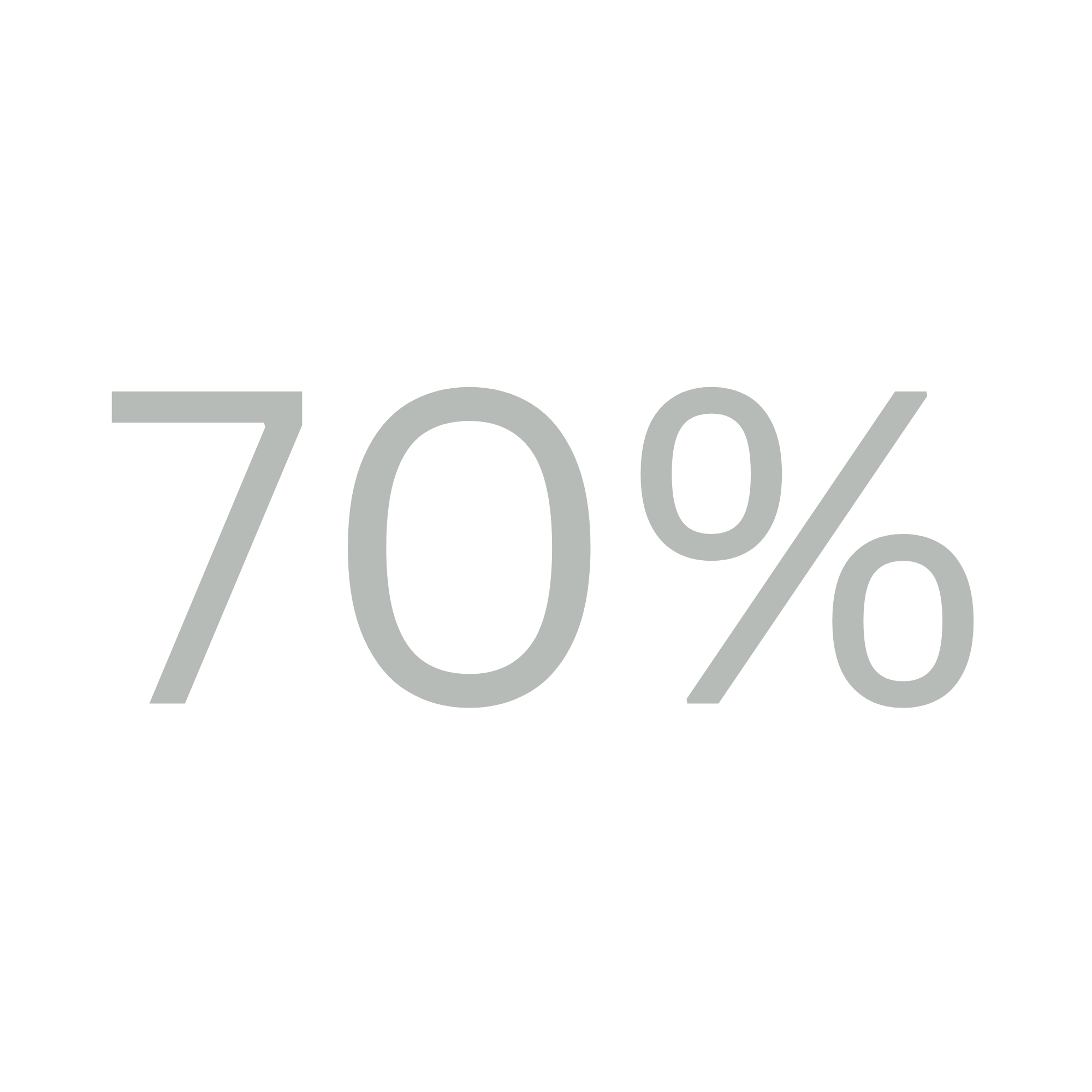
, adults have experienced at least one traumatic event
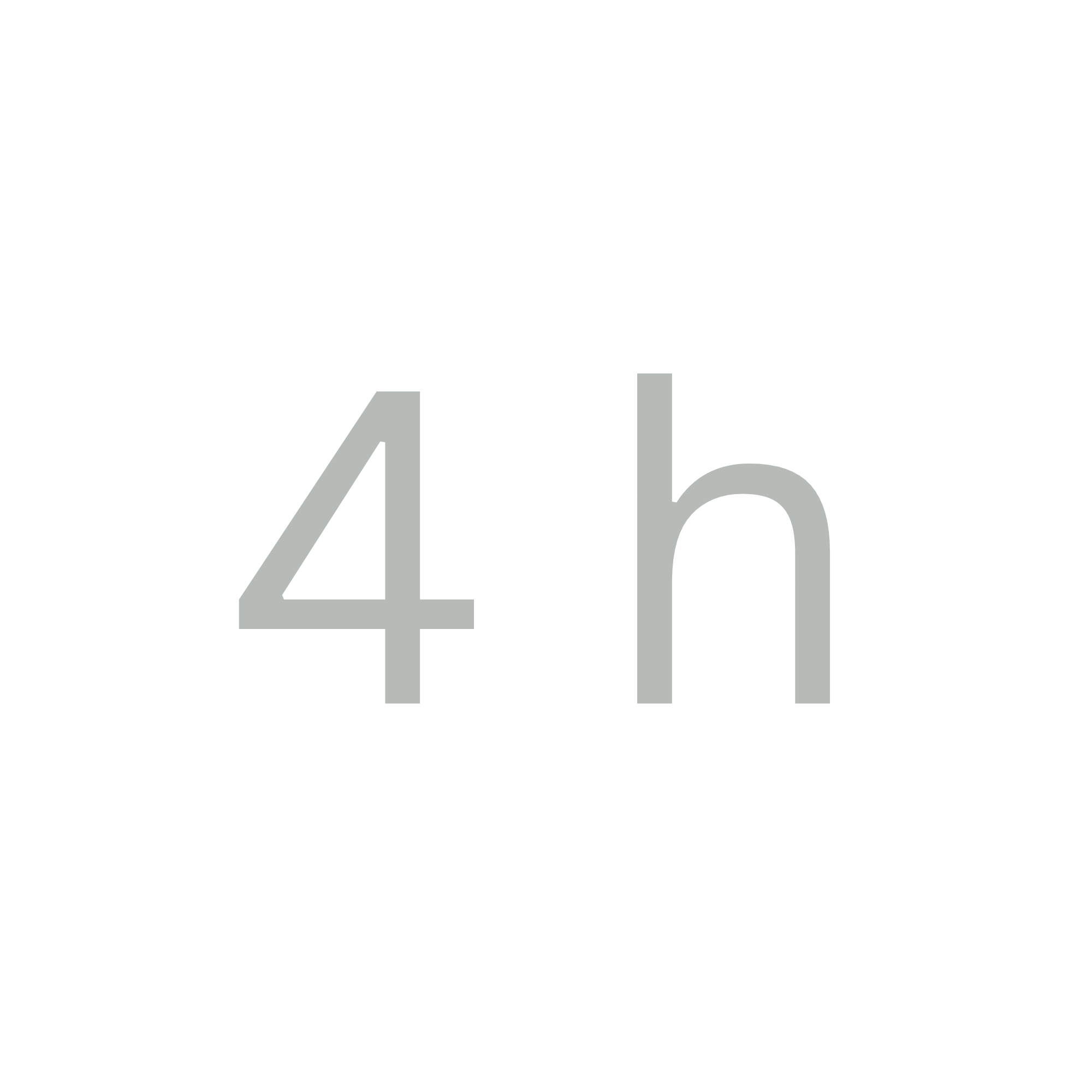
Learn at your own pace
Continuing Education at Yoga Alliance
This program is for you if…
Is this for me?
You're a yoga teacher and want to make your classes safer and more inclusive
You work with diverse populations and want to understand how trauma affects the body
Do you want to learn how to adapt your language, your adjustments, and your coaching style?
Are you looking for evidence-based tools to incorporate into your classes?
Are you interested in the TCTSY (Trauma Center Trauma-Sensitive Yoga) methodology?
Would you like to report continuing education hours to Yoga Alliance?
This is for you if…
Are you looking for clinical or therapeutic training? This is an educational workshop, not a clinical certification program.
You expect to learn specific yoga sequences—the focus is on how to teach, not what to teach
You're not willing to question practices that you may have always taken for granted
It's not for you if…
Note: Although this workshop is designed for yoga teachers, it is also valuable for anyone who facilitates spaces for movement, meditation, wellness, or bodywork and wants to do so more mindfully.
What You'll Explore
-
![Number 1]()
What Is Trauma and How Does It Manifest in the Body?
Types of trauma, how it affects the nervous system, and why your students may react in unexpected ways during a seemingly “quiet” class.
-
![Number 2]()
The language you use matters
How the instructions we give—"close your eyes," "let go," "trust"—can be triggers. Learn to offer choices instead of commands.
-
![Number 3]()
TCTSY Methodology
Learn about the principles of Trauma Center Trauma-Sensitive Yoga, developed by the Center for Trauma and Embodiment at Harvard University: choice, inner experience, relationship, and rhythm.
-
![Number 4]()
Tools for Your Classroom
How to adapt the space Physical, the arrangements, the tone of voice, and the structure of your class to create a genuinely safe and inclusive environment.




Everything You Receive
What's Included in the Course
4 hours of video
Pre-recorded content to watch at your own pace, whenever you can. No set schedule.
Spanish and English
All the material is available in both languages. The choice is yours.
Downloadable Workbook
A guide for reflection and practical exercises to help you apply what you've learned in your classes.
Unlimited access
No expiration date. Return to the content whenever you need to.
Guided Exercises
Sample trauma-sensitive yoga sessions so you can see the methodology in action.
4-hour Yoga Alliance
Earns 4 hours of continuing education credit with the Yoga Alliance (YACEP).
MORE INCLUSIVE CLASSROOMS
MORE INCLUSIVE CLASSROOMS
Frequently Asked Questions
-
Not necessarily. The workshop is designed primarily for yoga teachers, but it is just as valuable for anyone who facilitates spaces for movement, meditation, or well-being.
-
The workshop includes 4 hours of content that you can go through at your own pace. There is no set schedule.
-
No. This is an introductory, educational course that provides you with tools to make your classes safer and more inclusive. To earn full TCTSY certification, more extensive training is required. This course is an excellent starting point.
-
Yes. Upon completing the course, you can log 4 hours of continuing education with Yoga Alliance (YACEP).
-
The full content is available in English and Spanish. You can choose your preferred language when you register.
-
I accept credit and debit cards, as well as PayPal.
A methodology based on Trauma Center Trauma-Sensitive Yoga (TCTSY), developed by the Center for Trauma and Embodiment at Harvard University.

Get started today
Make your classroom a safe space for everyone
4 hours that will transform the way you understand your students and teach yoga. At your own pace, with no pressure, and unlimited access.
"Trauma doesn't just live in our memories. It lives in our bodies."
Bessel van der Kolk