
NeuroMeditation
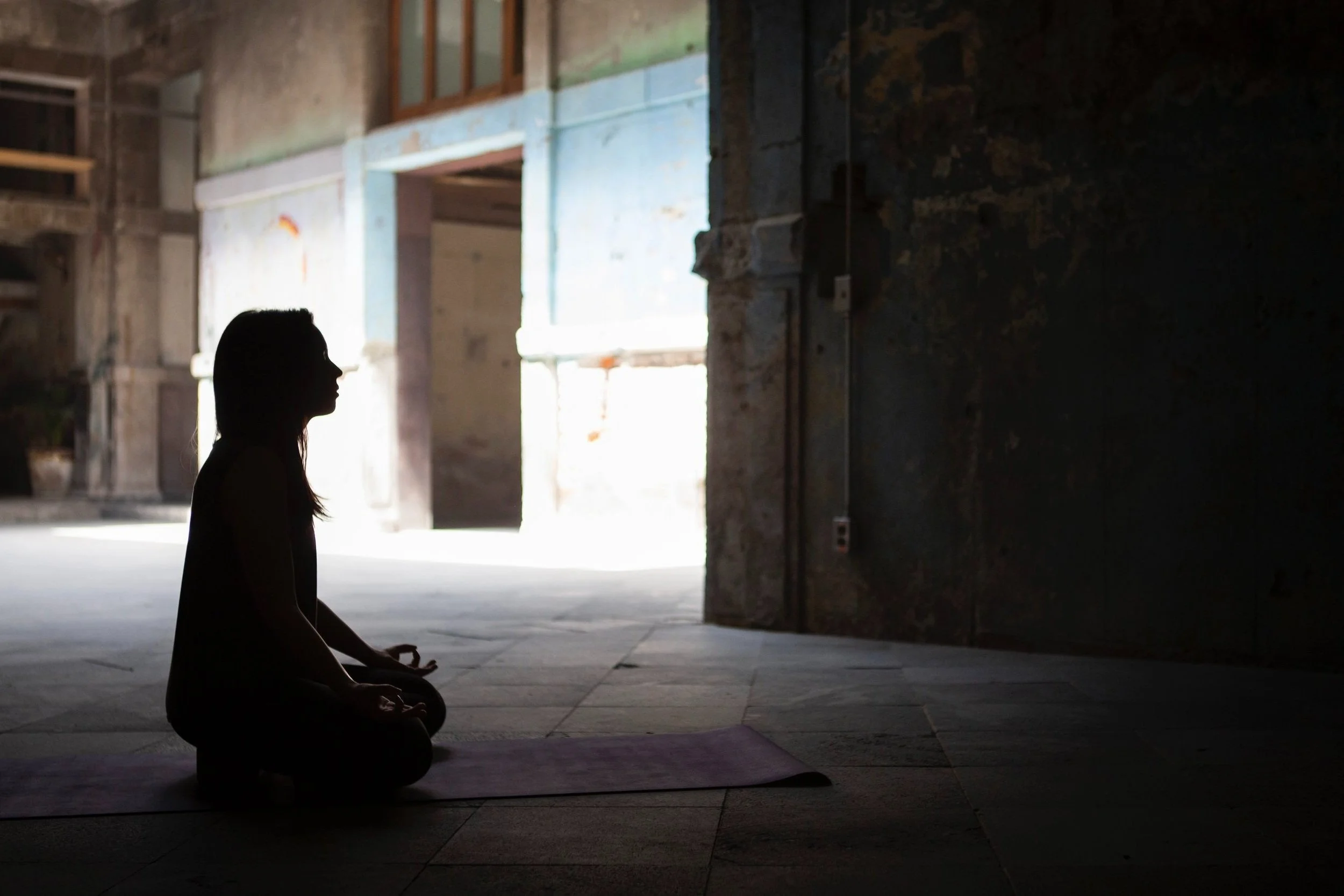
Meditation is not about emptying your mind.
It's about learning to live in it.
Online Program - At Your Own Pace - Unlimited Access
A one-month program based on neuroscience: 6 guided audio sessions + 6 downloadable workbooks to help you discover which type of meditation activates your brain and use it as a practical tool for everyday life.
Do any of these situations sound familiar to you?
Before You Begin
You know that meditating would be good for you, but your mind won't stop, and you end up feeling frustrated
You've tried several apps and YouTube videos, but you can never stick with them
You meditate some days, but it's during the most stressful times that you need it the most—and that's when you do it the least.
No one has explained to you what to meditate on —they just tell you, "Breathe and observe."
Do you feel that maybe meditation isn't "for you"?
Have you ever felt that clearing your mind is impossible and given up?
Meditation really is for you. You just need to find the right one.
Not all forms of meditation stimulate the brain in the same way. What works for one person may not work for another, and that's not your fault.
Neuro Meditation draws on brain science to help you find the style that truly resonates with you, so that your practice becomes sustainable and transformative.
Certified NMI-2 Facilitator; Specialization in Trauma-Informed Care · 20 years of practice
This program is for you if…
Is this for me?
You want to understand how your mind works, not just "shut it up"
Are you looking for a practical tool to help with stress, anxiety, or insomnia?
You're a beginner—you don't need any prior experience
You prefer practice over theory, backed by scientific evidence
Are you ready to treat your mind with curiosity and compassion?
You have 15–20 minutes a day to invest in yourself
This is for you if…
Are you looking for instant results in 3 days or less?
You can't set aside 15–20 minutes a day for a month
You only want theory and aren't interested in doing the practical work
It's not for you if…
What is NeuroMeditation?
The Science Behind It
NeuroMeditation is an approach that focuses on understanding how different meditation styles activate the brain in different ways. There is no single “correct” way to meditate—science shows us that each style has different effects depending on the person and their needs.
By completing the NeuroMeditation questionnaire, you'll identify which of the four styles is most compatible with your nervous system and your current goals.
Neuroplasticity
Create new neural connections through sustained practice
Mental Clarity
Improves information retention and the ability to focus
Nervous system
Change your reactivity and response to stress from within
Emotional Regulation
Reduces anxiety, depression, and symptoms associated with trauma
The Four Styles
Every mind needs its own path
Each program is a style of NeuroMeditation. You'll discover which one resonated most with you through the questionnaire, and that will be your starting point.

Meditations by Focused
Objectives
Learning to Let Go
Reducing Distractions
Increase self-awareness
Improving Memory
Developing Mental Stability
Benefits
Ability to step back from thoughts, emotions, or behaviors Increased retention of Focused
Increased awareness of physical and emotional sensations
Increased ability to retain information
Developing the Ability to Focus

Meditations on Consciousness
Objectives
Learning to Let Go
Raising Awareness of Bodily States
Raise awareness
Regulating Emotional States
Developing a sense of calm in the present moment
Benefits
Ability to step back from thoughts, emotions, or behaviors
Connecting with My Inner State
Reduction of the Judgment
Reduction in anxiety and depression
Ability to be in the present moment

Meditations for a Calm Mind
Objectives
Developing Detachment
Quiet the Mind
Creating Distance from the Ego
To be in a state of calm " Focused "
Supporting Mental Health
Addressing Symptoms of Trauma
Benefit
Freedom of emotions, feelings, and expectations
Peace of Mind
The ability to look within oneself beyond thoughts, emotions, and beliefs.
Ability to respond in a stable manner in the present moment
Help for Managing Symptoms of Personality Disorders and Obsessive-Compulsive Disorder
Focused addictions and eating disorders

Meditations from the Heart
Objectives
Boost Your Mood
Open Your Heart
Increase empathy
Cultivating Gratitude
Increase Generosity
Seeing Things in Perspective and Acting Accordingly
Supporting Mental Health
Benefits
Greater emotional openness
Development of the Ability to Feel
Greater ability to connect with others
A greater ability to recognize the good things in one's own life
Development and willingness to give
Ability to maintain a sense of detachment when observing
Help with managing symptoms of depression, grief, and personality disorders
Not sure which type of meditation is right for you?
Starting point
Complete the NeuroMeditation questionnaire (available in Spanish and English) to find out which style best suits your nervous system and your current needs.
A Month of Real-World Practice
The program
Each course focuses on a single style of meditation and lasts one month.
6 guided meditation audio files
Audio exercises designed specifically for each type of meditation
Available in 2 languages
All courses are available in Spanish and English
6 downloadable workbooks
Reflection and follow-up material that complements each weekly exercise
Diagnostic Questionnaire
Identify your meditation style before you begin
Unlimited access
No expiration date. Come back whenever you need to.
Suitable for everyone
You don't need any prior experience with meditation
LEARN TO LIVE IN YOUR MIND
LEARN TO LIVE IN YOUR MIND
Three Simple Steps
-
![Number 1]()
Discover Your Type
Take the free NeuroMeditation questionnaire to find out which style suits you best
-
![Number 2]()
Choose your course
Select the program that corresponds to your type of meditation (available in Spanish and English)
-
![Number 3]()
Practice for a full month
6 guided audio sessions + 6 workbooks to help you go deeper. All you need is 15–20 minutes a day.



Frequently Asked Questions
-
No. The courses are designed for people who are new to meditation. The only requirement is curiosity and a willingness to practice for 20 minutes a day.
-
Just 20 minutes a day is enough. The program is designed to fit into your routine without feeling like an extra burden.
-
That's what the NeuroMeditation questionnaire is for. It's free, takes less than 5 minutes, and gives you clarity on which style is best suited to your brain and your current needs. The highest percentage indicates the type of meditation recommended for you.
-
No. Once you enroll, you have unlimited access. You can repeat the program whenever you want or review the exercises at any time.
-
Yes. The four types of meditation are available in both Spanish and English, including the diagnostic questionnaire.
-
I accept credit and debit cards, as well as PayPal.
“Meditation is an extraordinary and powerful tool for self-realization as a human being. It will give you a higher level of awareness, which will help you navigate life in ways you never imagined.”
– Sri Shambhavananda