Resources
Tools, readings, and studies to support your practice and help you delve deeper into your process.
Browse by topic
The Science Behind the Practice
Estanislao Bachrach explains how the practices we offer at CHITI—breathing, meditation, yoga, and bodywork—can improve your life from a molecular biology perspective.
To begin with
Lessons from Molecular Biology for Making Good Decisions
Practice
Breaths
Three breathing techniques for different times of the day. Choose the one you need right now.
Energizing
Boost your nervous system and awaken your energy. Ideal for mornings or whenever you need a boost.
English
Spanish
Balancing
Balances your nervous system. Helpful during times of transition or when you're seeking mental clarity.
English
Spanish
Relaxing
Calm your nervous system and prepare your body for rest. Perfect before bedtime.
English
Spanish
Readings
Books
Collections organized by topic so you can explore at your own pace.
Self-Care
Personal Care and Wellness
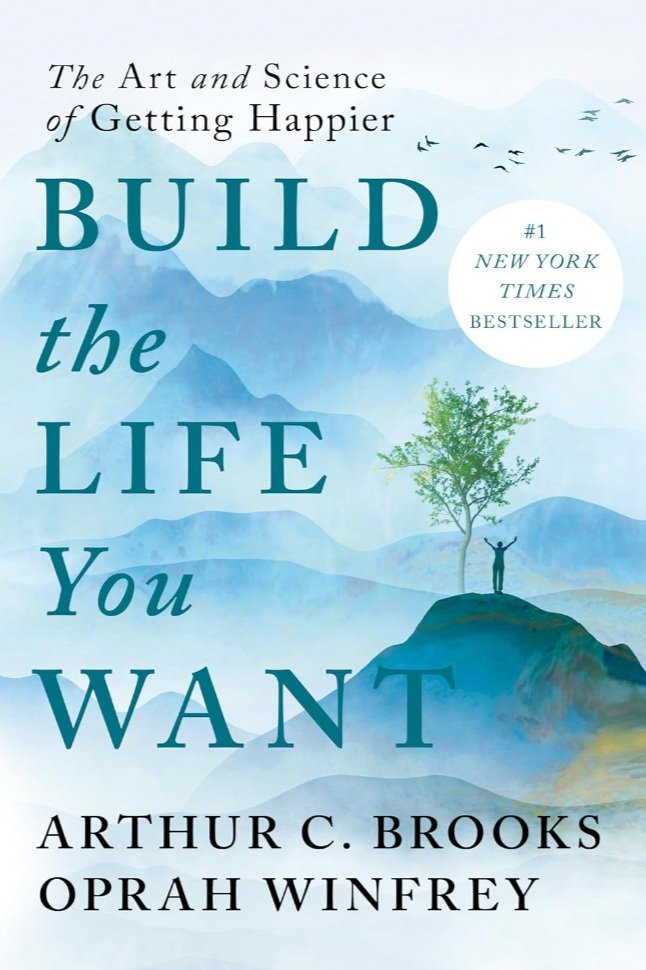
Meditation
Mindfulness and Neuroscience
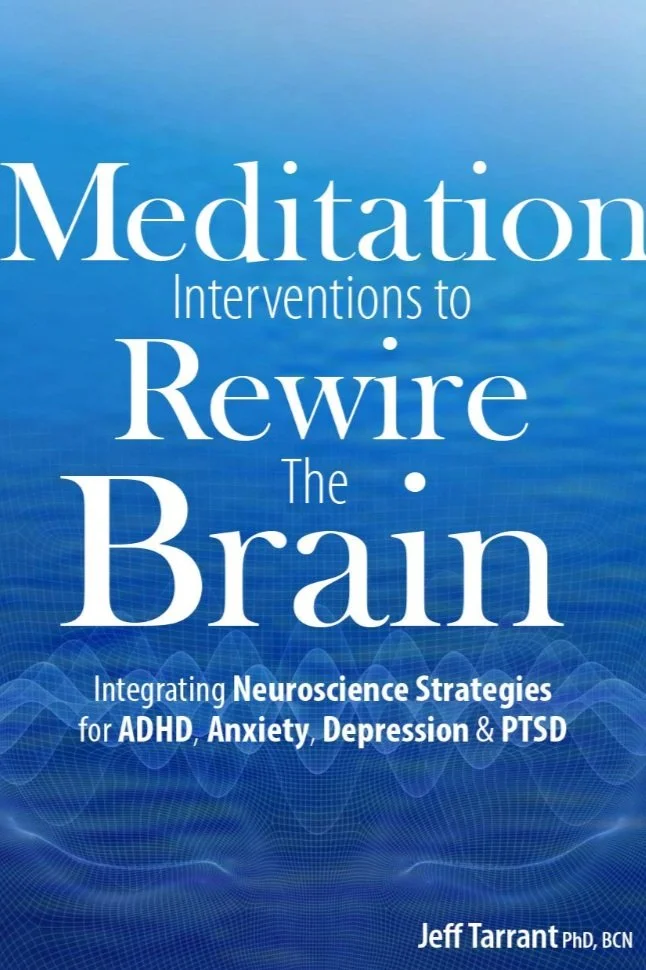
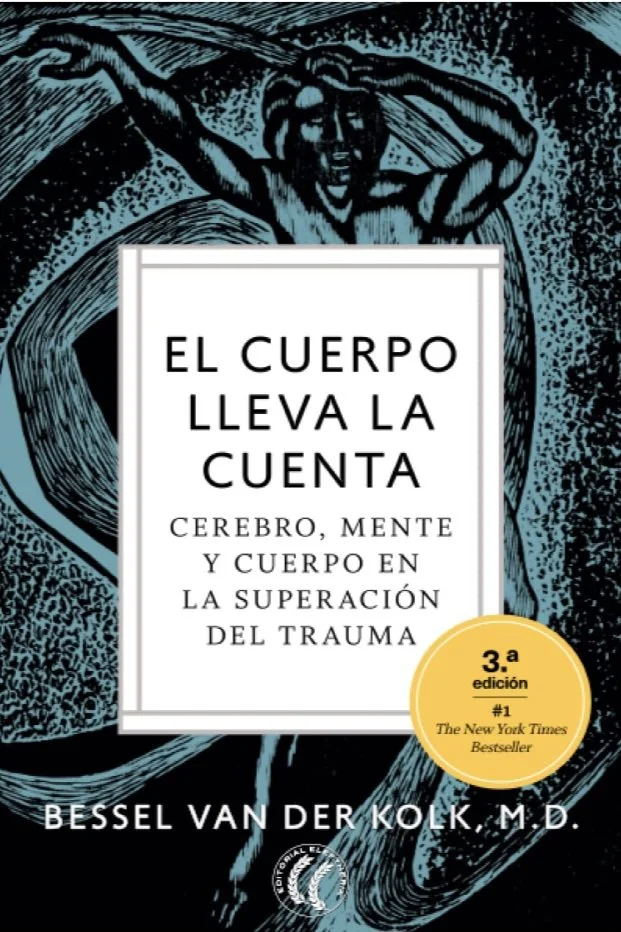
Trauma
Understanding and Healing
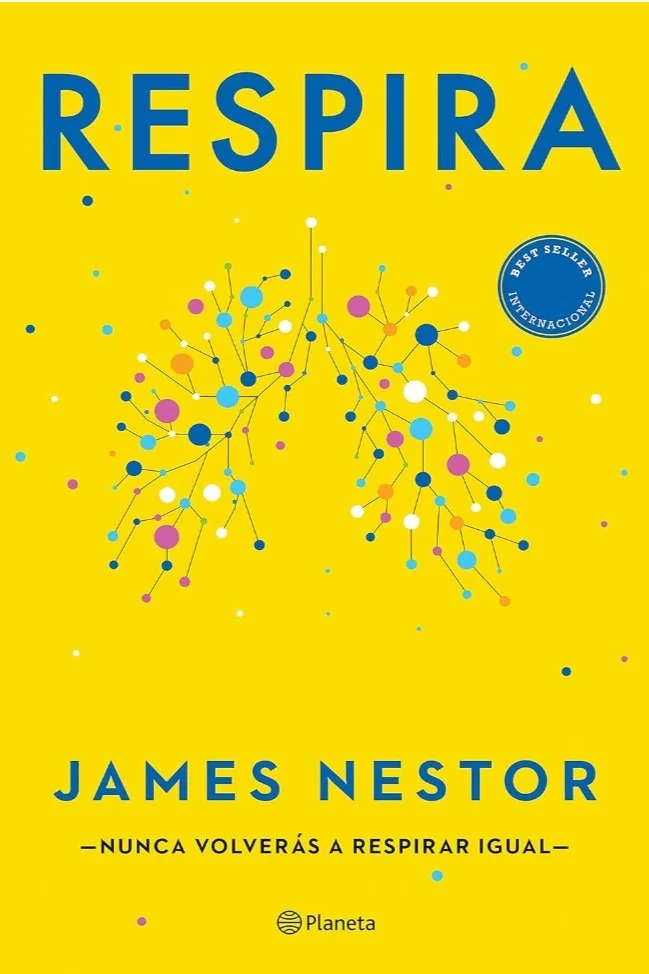
Breathing
Breath Sciences
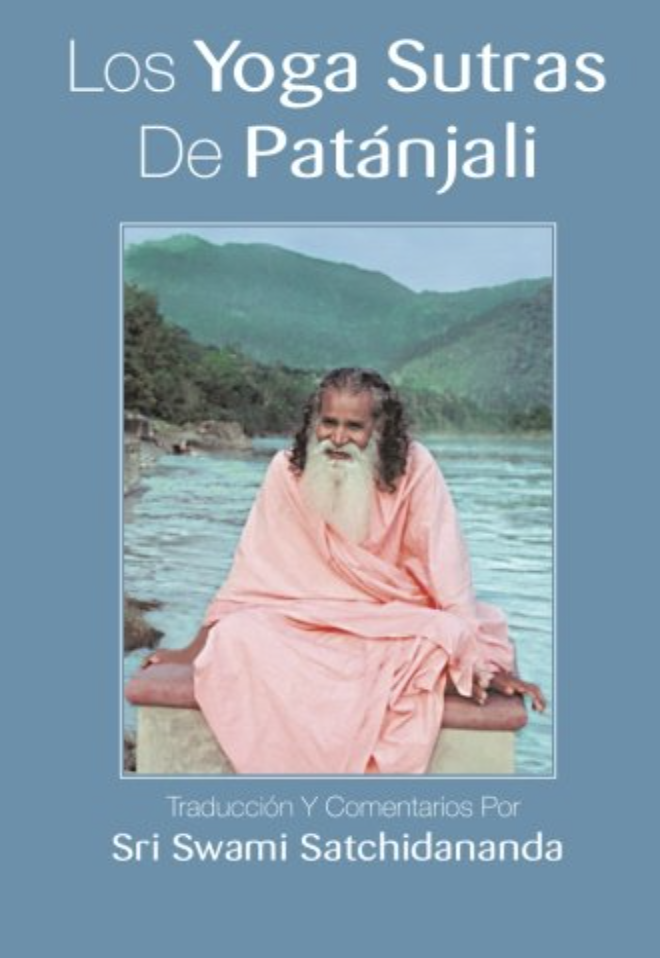
Yoga
Philosophy and Practice
Research & Studies
Evidence
The practices we offer at Chiti are backed by scientific research. Here you can explore the most relevant studies.
-
The Effect of Training on Trauma Treatment, Based on Life Skills and Psychological Health as Potential Markers of Resilience in the Treatment of Professionals. Link
Somatic Experience: Using Interoception and Proprioception as Central Elements of Trauma Therapy — Payne, Levine & Crane-Godreau. Link
Somatic Experience for Post-Traumatic Stress Disorder: A randomized controlled trial. Link
Effect of Somatic Experience, a resilience-based trauma treatment, on quality of life and psychological health. Link
Somatic Experience – Effectiveness and Key Factors of a Body-Based Trauma Therapy: An Exploratory Literature Review. Link
Randomized Controlled Trial of Brief Somatic Experiencing for Chronic Low Back Pain and Comorbid Symptoms of Post-Traumatic Stress Disorder. Link
Veterans' Experiences with Somatic Experiencing and Prolonged Exposure Therapy for PTSD: A Qualitative Analysis. Link
Somatic Experience for Trauma: Peter Levine's Body-Centered Approach. Link
-
NMI Research Publication: Academic Journal of Psychology and Behavioral Sciences – Meditation with Augmented Reality. Link
Video: Introduction to Neurofeedback – Principles and Applications of Brainwave Science for ADHD, Anxiety, and Depression. Link
NeuroMeditation improves cognitive function. Link
Focused Plena with a Trauma-Informed Approach. Link
Neuromeditation for Mental Health. Link
Meditation for the 21st Century. Link
A Harvard study showed that meditation has a positive effect on the amygdala, the area of the brain associated with emotional processing. Link
At UCLA, researchers found that long-term meditation practitioners have a more developed brain, with more connections between neurons and increased "gyrification," which improves the speed of information processing. Link
The research program at Harvard also explores the effects of meditation on the treatment of mental disorders and on overall well-being. Link
Meditation study shows changes related to consciousness and stress. Participating in a meditation program appears to bring about measurable changes in the brain regions associated with memory, a sense of autonomy, empathy, and stress. Link
Advanced meditation offers fundamental potential for human flourishing. It promises to contribute to innovation and impact in many fields and areas, including mental health, personal development, and the meaning of life, as well as the cultivation of wisdom and the exploration of consciousness. Advanced meditation also influences research on psychedelics and, more broadly, on altered states of consciousness, artificial intelligence, sustained excellence, and peak performance, among other areas. Link
-
Trauma-Informed Yoga is now backed by a solid body of research developed over more than 20 years. Link
-
Breathe to Manage Stress. Link
A randomized controlled trial showed that Bhastrika breathing can reduce anxiety levels and improve mood by regulating connectivity between areas of the brain involved in emotional processing. Link
Structured breathing exercises for 5 minutes a day (remote RCT) – “cyclic sighing” improves mood more than mindfulness; it reduces respiratory rate. Link
Meta-analysis: HRV biofeedback (resonance frequency breathing) and depression—significant effects on depressive symptoms. Link
Slow breathing before bed (crossover RCT on insomnia) – fewer awakenings and fewer phase transitions. Link
For breast cancer patients undergoing radiation therapy, pranayama and deep-breathing exercises helped reduce fatigue and improve sleep quality, providing a non-pharmacological approach to alleviating these common symptoms during treatment (ONS). Link
In a study published in BMC Sports Science, short breathing exercises were shown to improve recovery in patients with COVID-19—particularly in terms of breathing and lung health—when incorporated into their treatment. Link
Frontiers investigated the effects of diaphragmatic breathing exercises on sedentary adults at risk of developing low back pain and demonstrated their potential to restore spinal mobility and stability. Link
-
"Systematic Reviews" aims to evaluate the effect of active visual art therapy on quality of life, anxiety, depression, pain, and other specific outcomes. The study considers both short- and long-term variables, as well as the relationship between dosage and intensity of therapy, to better understand its effectiveness in different clinical contexts. Link
A study published in *BMC Complementary Medicine and Therapies* found that art therapy improves quality of life and reduces psychosomatic symptoms in adults with cancer. Patients who received art therapy sessions—both group and individual—experienced significant improvements in their emotional well-being, with reductions in anxiety, depression, and fatigue. Link
Shows and Documentaries
Get inspired
Audiovisual content to help you better understand trauma, meditation, and the power of the body.
-
Bessel van der Kolk explains how trauma is stored in the body and how we can heal.
-
Dr. Gabor Maté's documentary
Can our deepest pain be a gateway to healing? A transformative look at trauma.
-
Jeff Tarrant, Ph.D., and experts in neuroscience discuss meditation and brain rewiring.