A SPACE TO TAKE CARE OF YOURSELF AND REGULATE YOUR NERVOUS SYSTEM
A balanced nervous system isn't one that's always calm: it's one that's capable of feeling all its emotions and sensations, working through them, and coming back.
I support people who are living in survival mode—whether or not they have a difficult past—in regaining the ability to feel without breaking down. The body doesn’t understand explanations: it only recognizes safety when it feels it. That’s why we work through the body—it’s the only way the nervous system can register that it’s safe.


Self-paced courses for everyday use or guided sessions. The consultation lasts 15 minutes and is free of charge.
Chiti: consciousness, needing nothing outside itself, is the cause of the manifestation of all things.
Chiti: consciousness, needing nothing outside itself, is the cause of the manifestation of all things.
What if your "bad habits" are actually survival responses?
-
Perfectionism
It's not about being the best—it's about avoiding punishment or the disappointment of the person who made you feel that mistakes are unforgivable.
-
Overthinking
If you grew up in an unpredictable home, overthinking was your survival tool: scanning for danger, preparing for the worst, and never letting your guard down.
-
Unplug, leave
When your emotions became too overwhelming, your mind learned to escape. It's not a distraction—it's a response to unbearable moments.
-
Procrastination
When every move you made was criticized or never seemed good enough, you learned not to even start. It's not laziness—it's a way of protecting yourself from judgment.
-
Pleasing Everyone
You weren't born to please others. You learned that your needs didn't matter and that keeping others happy was the only way to avoid conflict.
-
Apologizing too much
If love felt conditional, you learned to apologize for simply existing. It’s your nervous system trying to keep you safe from other people’s anger.
-
Isolate yourself
When the relationship felt unstable, withdrawing was a way to find refuge. It's not that you're distant—it's that you're protecting yourself from further hurt.
-
Hyper-independence
When you had no one to lean on, you taught yourself not to need anyone. It's a shield against disappointment.
Certified Training
Somatic Experiencing International
DARe · Trauma Solutions
Trauma Research Foundation
NeuroMeditation Institute
TCTSY · Trauma Center Trauma-Sensitive Yoga
Yoga Alliance RYT 500
Brainz 500 Global Award 2025
What Has Changed for Those Who Have Done It
The Next Step
Two Ways to Get Started
On your own, at your own pace
Online Courses for Everyday Life
Regulating your nervous system should be a daily practice, not a last resort. Online, with no set schedule, and without having to talk to anyone beforehand. Each course explains what it focuses on, how it works, and how long it lasts, so you can choose the one that makes the most sense to you.
You can start whenever you want, and they're always available.
With accompaniment
Live Sessions
If you'd like to work with someone who will support you through the process, let's talk for fifteen minutes first. You can tell me whatever you want—and only what you want. I'll be honest with you about whether I can help you or if you need something else.
A 15-minute video call, free of charge and with no obligation.
Whichever one you choose, it works the same way:

Start where you are
You don't need any preparation or prior experience, nor do you need to know exactly what's going on with you. Putting it into words is part of the process—not a prerequisite for getting started.

You set the pace
No physical corrections or adjustments. Inviting language: You can stop, change, or stay at any time. An invitation is always just an invitation.
Safety is something you feel, not something you can explain
The body doesn't actually feel safe until it understands what happened. It gradually comes to realize that there is no danger now. That's the work, and it comes before anything else.
COURSES

I want to take better care of myself
Self-care Conscious
Taking care of yourself isn't a luxury—it's the first step toward healing. Build sustainable habits rooted in self-love.

I want to calm my mind
NeuroMeditation
Not all forms of meditation work the same way for everyone's brain. Discover which type of meditation works best for your brain, backed by neuroscience.

I want to manage my energy and stress
Breathe / 21-Day Challenge
Your nervous system has a switch. Regulate your nervous system through your breathing.

I am a yoga instructor
Yoga & Trauma
Learn new tools to make your yoga class a safe and inclusive space.
LIVE SESSIONS

Individual Sessions
Somatic Experience
Before we can talk about trauma, your body needs to feel safe. We’ll work together to release built-up stress and restore your inner balance—without having to relive what happened.
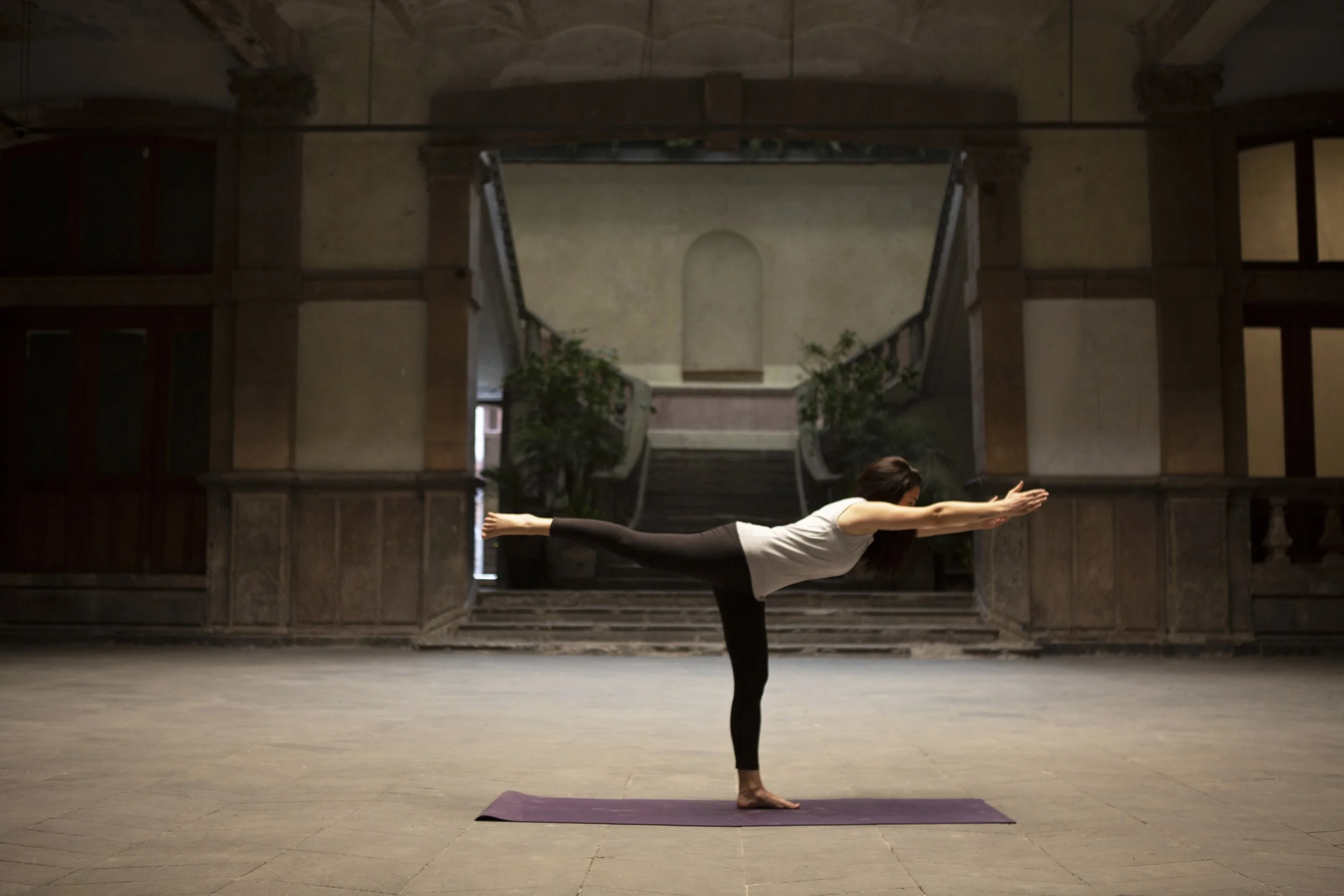
These areGroup sessions
Trauma-Informed Yoga
A yoga class where you call the shots. Always. There are no physical corrections or instructions on how your body “should” look. Just invitations.
Let's talk first—it's free and there's no obligation.
Everyone is at a different point on their journey. If you've been through something difficult and don't know where to start, that's completely normal. I offer a free personal consultation: we'll talk about what you need, and together we'll find the best path for you.

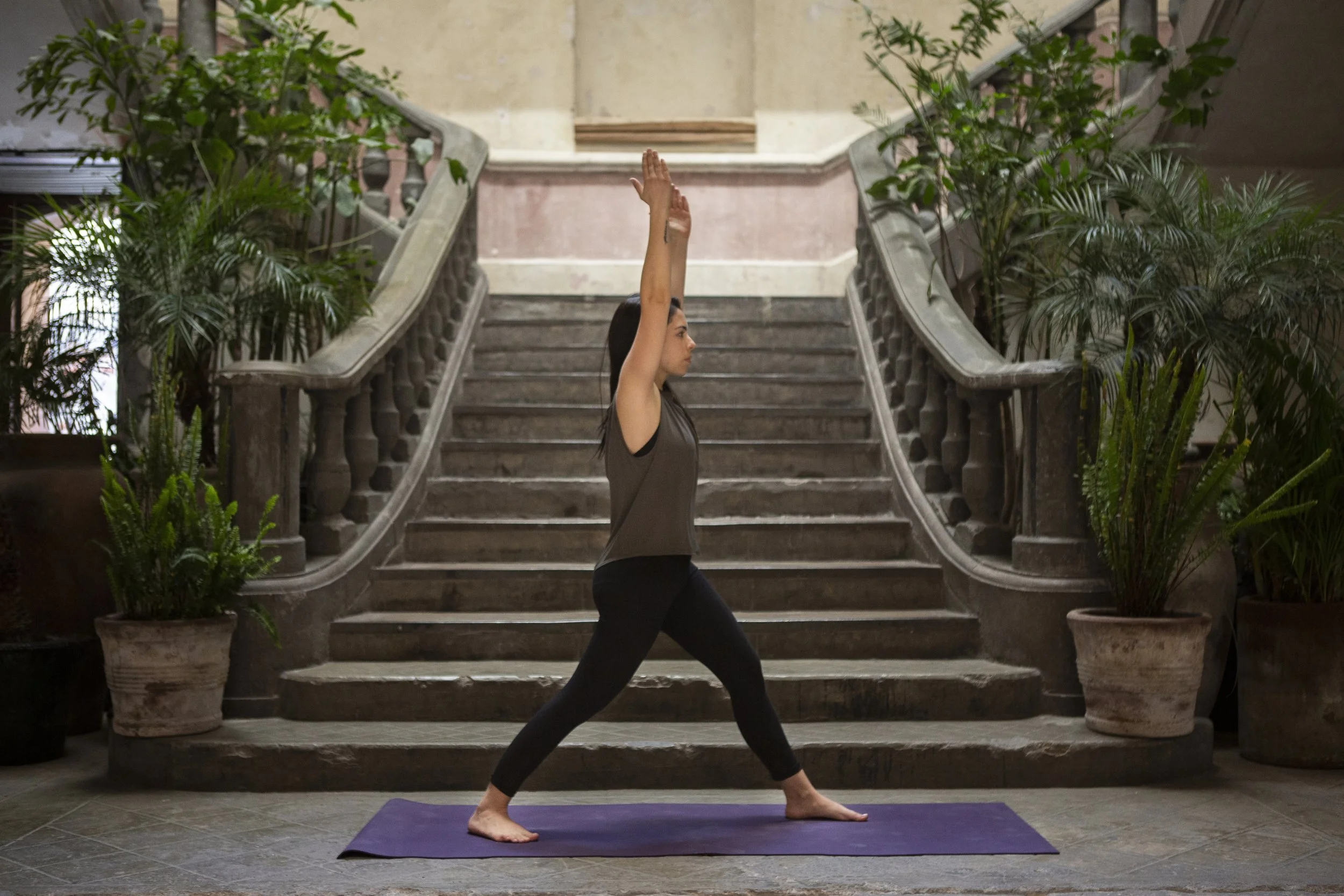

Your body has the ability to heal. I’ll be with you on that journey.
Frequently Asked Questions
-
Yes. Most people are out of balance, without the words to describe it. You don't need a diagnosis or a serious medical history.
-
No. And it's not just about comfort: analyzing what happened can become yet another way of avoiding feeling it. The work is done through the body, because that's where the nervous system can sense safety.
-
No. Coming to terms with things can mean feeling anger without lashing out, feeling sadness without running away, and feeling fear while continuing to move forward. It isn't always easy or comfortable.
-
Resting isn't enough when the body is in a state of hypervigilance: even when you're still, your body remains on high alert. You have to address the root cause of that response, not just the symptom.
-
It happens often. Understanding what happened doesn't tell the body that the danger is over—it only learns that by feeling it. That's where we start.
-
None. And there are no demanding poses or physical corrections.
Chiti is grounded in ahimsa—nonviolence, the absence of harm—and aligns with the struggle against systems of oppression. I recognize the origins and profound meaning of yoga and practice it with integrity and without cultural appropriation.
At Chiti, I use inclusive language because I believe that well-being is for everyone, without exception.
Contact me