
Trauma-Informed Yoga
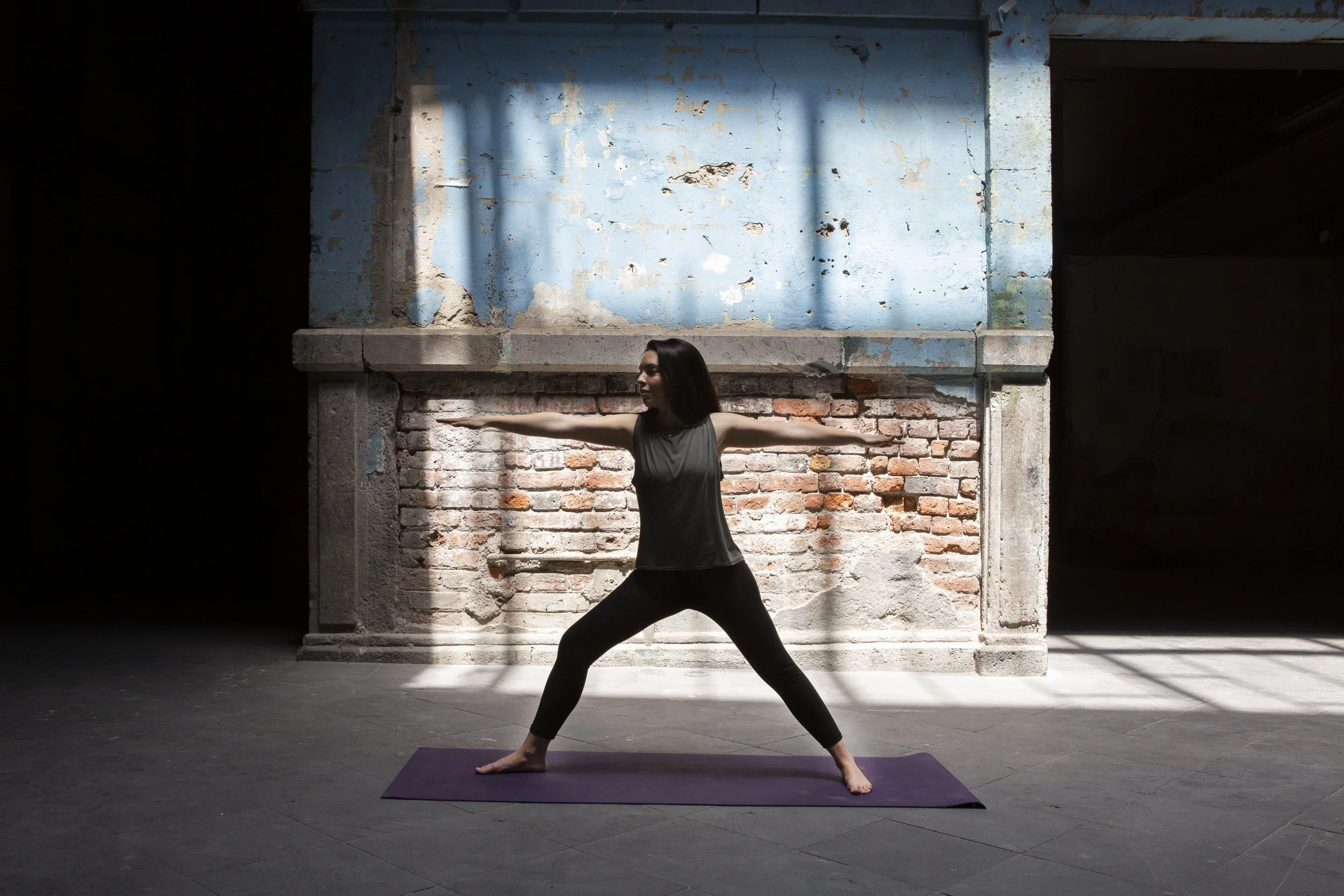
A yoga class where you call the shots. Always.
Trauma-Informed Yoga is a practice designed to help you reconnect with your body at your own pace, without corrections, demands, or judgment. Just invitations. You choose how to move, when to stop, and what feels right for you.
60-minute sessions - Online & live - Group sessions
Before You Begin
Does any of this sound familiar to you?
Trauma disrupts the connection between the mind and the body. Sometimes we don't even realize we're carrying it—we just feel that something isn't right.
You feel like your body isn't a safe place—you have a hard time being in it or trusting what you feel
Conventional yoga classes make you anxious: the physical adjustments, closing your eyes, or the instructions make you uncomfortable
You often feel disconnected from your body—as if you were watching your life from the outside
Do you feel like you've lost control over yourself and your life after a difficult experience?
You want to get moving, but you need a space where no one tells you how your body “should” look
You've tried yoga before but didn't feel comfortable—something about the experience just didn't work for you
Here, the power doesn't lie with the facilitator. It lies with you. Every suggestion is an invitation, never a demand. You always choose.
Is there anything you'd like me to know about you before the session?
“No intervention that takes power away from the survivor can promote their recovery, no matter how much it may seem to be in their immediate best interest.”
Judith Herman, M.D.
It's not a conventional yoga class
How is it different?
Conventional Yoga
Physical corrections, “correct” postures, directive instructions (“close your eyes,” “relax”), external approval.
The focus is on how your body looks from the outside. The authority lies with the teacher.
Trauma-Informed Yoga
There are no physical corrections. Each prompt is an invitation: you choose how to move, when to stop, and what feels right for you.
What matters isn't how your body looks on the outside, but how it feels on the inside. The power lies within you.
What Guides Each Practice
-
![A digital display with a countdown symbol and the number 01 in gray in the center.]()
No coercion
Nothing is forced on you. Everything is offered. You decide what you'll do and what you won't.
-
![A graphic representation of the number 02 with a drawing of trees and leaves in the background.]()
Invitation-based language
Every instruction is an invitation, never an order. “If you want,” “you can try.”
-
![Number 3]()
Freedom of Choice
You choose how to move, when to stop, and what feels right for you at any given moment.
-
![Number 4]()
Interception
Learning to feel your body from the inside: recognizing sensations and using them as a guide.
-
![Number 5]()
Authentic Experience
There's no "right" way to do anything. What you feel is valid, just as it is.




Scientific Support
Why does it work?
When a person experiences trauma, their brain is affected. Areas related to sensory processing, emotional regulation, and the mind-body connection may become deactivated or function abnormally.
Scientific studies have shown that Trauma-Informed Yoga has a direct impact on the brain: it not only makes us feel good, but it also reactivates areas of the brain that have been affected by traumatic experiences.
TCTSY is an empirically validated clinical intervention for complex trauma and chronic, treatment-resistant post-traumatic stress disorder (PTSD).
TCTSY Co-Directors and Facilitators Jennifer Turner and David Emerson explain the TCTSY Trauma-Sensitive Yoga model

years of scientific research
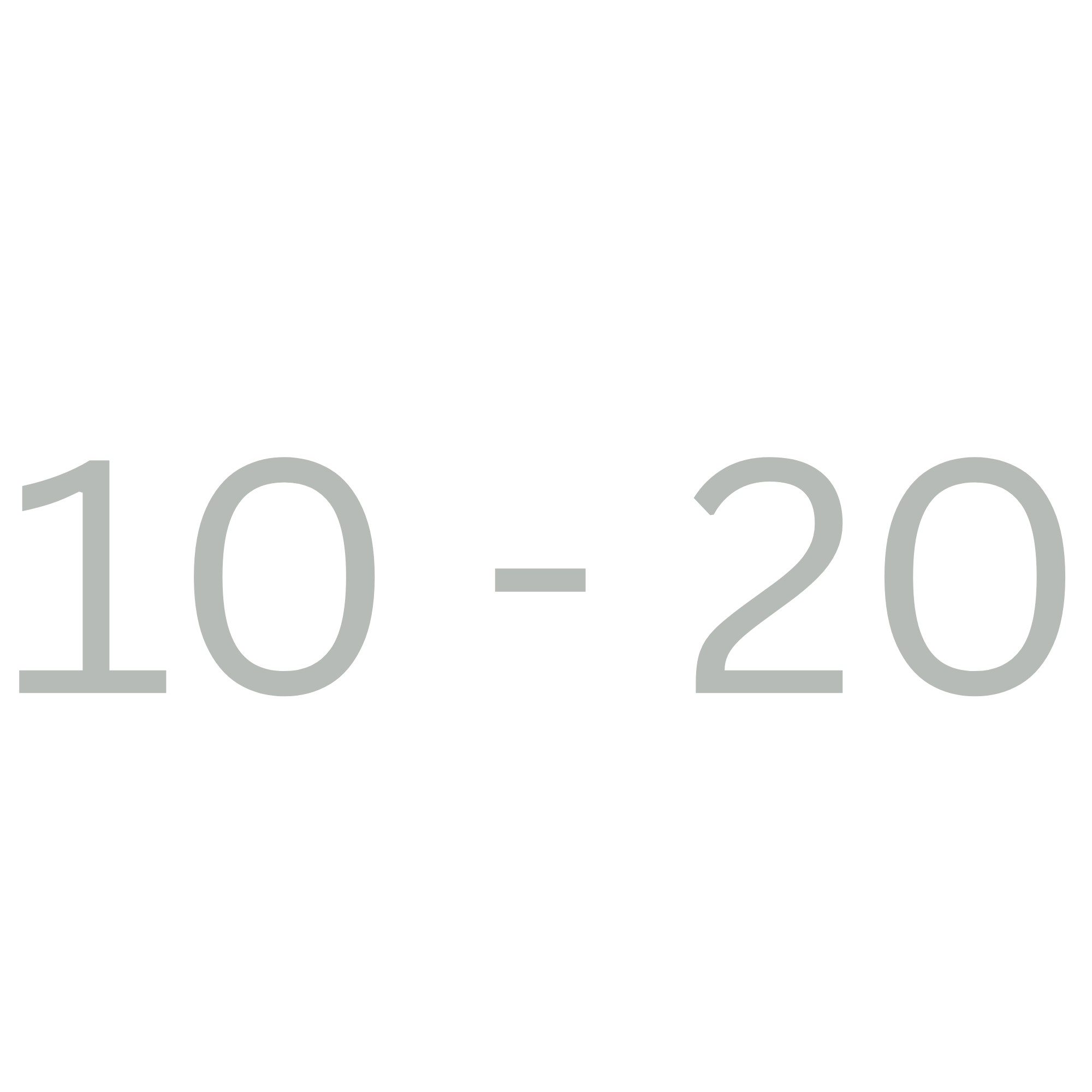
Weeks to see measurable changes
in the brain

Hi, I'm Alicia
I am a facilitator of Somatic Experience, Trauma-Sensitive Yoga, NeuroMeditation, self-care, and breathing practices. My training in TCTSY is from the Center for Trauma and Embodiment.
In these sessions, my role isn't to tell you what to do. It's to create a space where your body can feel safe enough to begin reconnecting—at its own pace.
Who is with you?


Frequently Asked Questions
-
No. The practice is designed for everyone, regardless of your level. There are no difficult poses or expectations about how your body should look.
-
Yes. There are no physical corrections; you are not asked to close your eyes or assume specific poses. Each instruction is an invitation. You always decide how to move and when to stop.
-
No. You don't need a diagnosis or a label. This practice is for anyone who wants to reconnect with their body in a safe, judgment-free space and at their own pace.
-
Trauma-Sensitive Yoga sessions are 60-minute group sessions held live online. If you're looking for one-on-one support, you can explore the Somatic Experience sessions.
-
Yes. TCTSY is an excellent complement to therapeutic processes. It addresses, through the body, issues that talk therapy often fails to address.
Trauma-Informed Yoga helps you feel safe in your body.
-
Everyone is different. Some people notice changes as early as the first few sessions. Scientific studies show measurable changes in the brain after 10 to 20 weeks of practice.
-
Just a quiet space where you can move around comfortably, with an internet connection and comfortable clothes. You don't need any special equipment.
Session Packages
Choose the package that best suits your practice: Trauma-Informed Yoga, Somatic Yoga, or Integral Yoga. One-time payment, no subscription required.